Health and Safety Policy for Cleaner Belgravia
 This Health and Safety Policy sets out the standards and practices expected from Cleaner Belgravia when delivering domestic and commercial cleaning services. Our approach is built on prevention, clear procedures, and a consistent focus on the wellbeing of clients, staff, and anyone who may be affected by our work. We aim to create a safe working environment by identifying risks early, applying sensible controls, and ensuring every task is completed with care.
Health and safety is not treated as a separate task; it is part of every cleaning activity. Whether the work involves routine maintenance, deep cleaning, or specialist surface care, the same principles apply: plan the job, assess the surroundings, use suitable equipment, and work in a way that reduces risk. Safety, efficiency, and professionalism should always go together. This policy supports that principle by outlining responsibilities and expected behaviour across all cleaning operations.
Cleaner Belgravia is committed to maintaining high standards through training, supervision, and safe systems of work. We recognise that cleaning environments may contain wet floors, sharp objects, electrical appliances, chemicals, or other hazards. For that reason, staff are expected to remain alert, follow instructions carefully, and report anything that could create danger. Our policy applies to every cleaning assignment, regardless of size or location.
Core Responsibilities
All staff must take reasonable care of their own health and safety and that of others. This means using equipment correctly, keeping work areas tidy, and following established procedures at all times. Managers and team leaders are responsible for making sure cleaners understand their duties, receive appropriate instruction, and have access to the right tools and protective equipment. A safe workplace depends on shared responsibility and consistent standards.
Risk assessment is a central part of our health and safety approach. Before starting work, cleaners should consider the environment, the type of task, and any potential hazards. This may include checking for slippery surfaces, fragile items, exposed cables, poor lighting, or unsuitable storage of products. Where a hazard cannot be removed immediately, suitable control measures must be put in place before work continues. This careful approach helps reduce accidents and protects property as well as people.
Staff must also be honest about their capabilities and stop work if they believe a task is unsafe. If a problem arises, it should be reported promptly so that the issue can be reviewed and resolved. A proactive safety culture encourages people to speak up early rather than wait for an incident. In practice, this supports smoother service delivery and greater confidence for everyone involved.
Safe Cleaning Practices
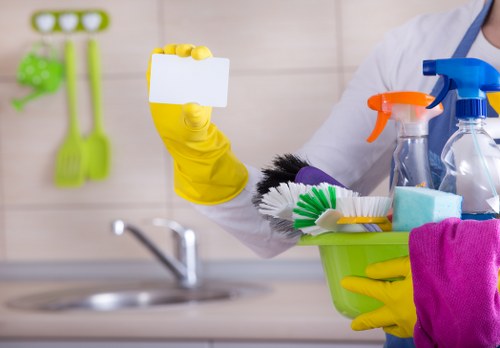
 Cleaning products must be used in line with their instructions and only for their intended purpose. Containers should be clearly labelled, stored securely, and kept away from food, heat, and ignition sources. Where appropriate, staff should use gloves, masks, or other personal protective equipment to reduce exposure to chemicals or dust. Mixing substances is strictly avoided unless the product guidance confirms it is safe to do so.
All equipment should be checked before use to make sure it is in good working order. Damaged cables, faulty plugs, unstable tools, or broken accessories must not be used. Any defect should be reported and the item taken out of service until it is repaired or replaced. Safe equipment handling supports both productivity and injury prevention, especially when tasks involve vacuuming, scrubbing, ladder use, or lifting supplies.
 Manual handling is another important area of control. Staff are expected to lift and move items carefully, using correct posture and asking for assistance where necessary. Heavy furniture, awkward objects, or repetitive movements can create strain if handled badly. Our policy therefore encourages planning before lifting, keeping loads manageable, and using aids or team support whenever available. These simple habits reduce the chance of injury and help maintain consistent working standards.
Workplace Conduct and Emergency Readiness
Cleaner Belgravia expects all cleaners to maintain a calm, attentive, and responsible manner during work. Areas being cleaned should be left as safe as possible for occupants and other users. This includes placing warning signs where floors are wet, not blocking exits, and ensuring cleaning materials do not create trip hazards. Attention to detail is essential because even small oversights can lead to avoidable incidents.
Emergency readiness is equally important. Staff should know how to respond if a fire alarm sounds, someone is injured, or a hazardous spill occurs. The priority is always to protect life and reduce further risk. Where appropriate, emergency procedures should be followed immediately and the situation escalated to the relevant person in charge. If first aid is required, the incident should be treated seriously and recorded according to the company’s reporting process.
Any incident, near miss, or unsafe condition must be reported without delay. This includes falls, cuts, exposure to substances, equipment failure, or any situation that could have caused harm. Reports allow us to learn from events and improve prevention measures. A strong safety policy is not only about responding well after an issue; it is about using each case to strengthen future practice.
Training, Monitoring, and Continuous Improvement
 Training is essential to maintaining a safe and effective cleaning service. New staff should receive clear induction on safe methods, product use, equipment care, and emergency procedures. Refresher training should be provided when work practices change or when new risks are identified. Good training helps staff understand the reasons behind procedures, which increases compliance and reduces error.
Supervision and monitoring support the consistent application of this policy. Regular checks help confirm that standards are being followed and that any weaknesses are addressed quickly. Where improvements are needed, action should be taken in a practical and timely way. This may involve updating procedures, replacing worn equipment, or reinforcing training on specific tasks. Continuous improvement is part of maintaining a reliable and professional service.
We also encourage a simple but effective attitude to safety: notice issues early, communicate clearly, and act responsibly. The best outcomes come from combining preparation with everyday care. By following this policy, Cleaner Belgravia aims to protect health, reduce risk, and deliver cleaning services in a way that is safe, respectful, and dependable.
Policy Review and Commitment
 This policy will be reviewed regularly to ensure it remains current and effective. Changes in equipment, materials, working methods, or operational requirements may lead to updates. Reviews help confirm that the policy continues to reflect practical needs and strong safety principles. Everyone involved in delivering services is expected to support these standards and contribute to a safe working culture.
In summary, health and safety is a shared responsibility that depends on awareness, preparation, and disciplined working habits. Cleaner Belgravia is committed to carrying out cleaning services with care, protecting people from unnecessary risk, and maintaining a workplace where safe practice is the norm. Through planning, training, and vigilance, we aim to uphold a dependable and professional standard at all times.