Communal area Cleaning in Belgravia
Keeping shared spaces spotless in Belgravia is about more than appearances. In a neighbourhood known for elegant terraces, period conversions, mansion blocks, private developments, and high-value commercial premises, the condition of stairwells, lobbies, hallways, entryways, lifts, and shared touchpoints has a real impact on comfort, hygiene, and first impressions. Our Communal area Cleaning in Belgravia service is designed for residential blocks, boutique office buildings, mixed-use properties, and managed estates that need dependable, discreet, and thorough cleaning support tailored to local expectations.
Whether you manage a small converted townhouse, a larger apartment building, or a building with both residential and commercial occupants, you need a cleaning service that understands how shared areas are used day after day. Foot traffic, wet weather, dust, litter, hand marks, and general wear can quickly build up in busy common parts. A consistent cleaning schedule helps protect property standards, supports resident satisfaction, and keeps communal spaces feeling well cared for.
Belgravia properties often require a careful, detail-led approach. Access can be restricted, parking may be limited, and many buildings have narrow staircases, delicate finishes, or shared entrance systems that call for a considerate team. That is why a local provider matters: it makes planning easier, service more reliable, and communication with managing agents or residents more straightforward. Request a free quote if you want a service arranged around your building’s routines.
Why communal area cleaning matters in Belgravia
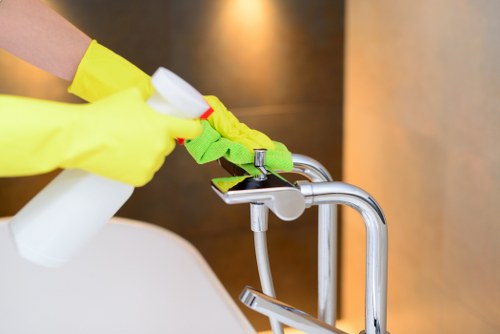
Communal areas are the spaces residents, visitors, tenants, staff, and contractors all see first. They include the areas that connect everyone to the building and are often the spots where dirt shows most quickly. When these spaces are neglected, the whole property can feel less welcoming, even if individual flats or offices are well maintained. In a prestigious area like Belgravia, presentation matters just as much as practicality.
Regular common area cleaning helps reduce dust, grime, odours, and unsightly build-up on high-contact surfaces. It also supports a healthier environment by removing debris from floors, railings, switches, handles, and entrance mats. In busy properties, this is especially important during rainy months, when mud and moisture can be brought in from the street and spread through hallways and entrances.
Another important benefit is consistency. Residents and occupiers often notice when a block is cleaned on an irregular basis, because standards fluctuate and small issues linger. A planned service gives property managers confidence that hallways, staircases, and shared spaces are being looked after in a reliable way. That consistency is valuable for leaseholders, tenants, freeholders, and managing agents alike.
What our communal cleaning service can include
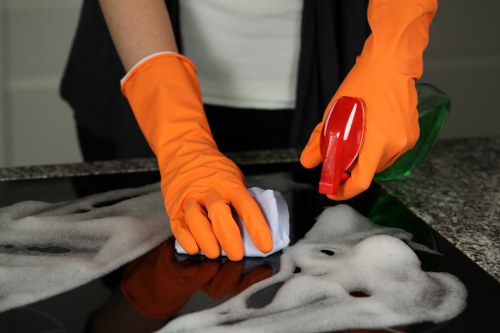
Every building is different, so communal area cleaning should be flexible rather than one-size-fits-all. Some properties need a simple weekly clean, while others need multiple visits a week and additional tasks such as bin area cleaning or lift detailing. Our service can be adapted to the layout, usage, and condition of the property.
- Entrance halls and reception areas
- Staircases and landings
- Lift interiors, buttons, and mirrors
- Handrails, banisters, and ledges
- Internal windows, frames, and sills
- Door glass, push plates, and switches
- Floor vacuuming, sweeping, and mopping
- Rubbish and litter removal from shared areas
- Communal bin stores and waste points
- Skirting boards, cobweb removal, and surface dusting
Depending on the building’s needs, we can also include spot-cleaning of marks on walls, cleaning around noticeboards, sanitising common touchpoints, and seasonal attention to heavier dirt brought in from outside. If the property has a concierge desk, shared mail area, or a lobby with decorative finishes, those features can be included in the agreed schedule as well.
Strong results come from small details. Clean edges, polished glass, and a tidy entrance can make a shared space feel noticeably better cared for. For many clients, that is the difference between a property that merely looks maintained and one that feels genuinely well managed.
Who needs communal area cleaning in Belgravia?

Belgravia has a varied property mix, and the needs of each building can be different. Our communal area cleaning in Belgravia is suitable for a range of clients who want dependable upkeep for shared spaces without disrupting the people who live or work there.
Residential blocks and apartment buildings
Residents expect hallways, landings, entry doors, and stairs to be kept clean, safe, and pleasant to use. Shared areas in apartment blocks can become tired quickly if they are not attended to regularly, especially in buildings with frequent deliveries, visitors, or multiple occupants.
Converting townhouses and period properties
Belgravia has many elegant older buildings, and communal cleaning in these properties often requires care around original features, polished surfaces, narrow stairs, and sensitive finishes. These buildings can gather dust in corners, on mouldings, and around bannisters, so attention to detail really matters.
Managed estates and private developments
Large developments often have entrances, lifts, corridors, bin areas, and shared circulation space that need regular upkeep. A structured cleaning arrangement helps maintain standards across the whole property, not just the most visible spaces.
Commercial and mixed-use premises
Some buildings in and around Belgravia include offices, clinics, consulting rooms, or other commercial occupiers alongside residential units. These spaces often need cleaning that respects business hours, access rules, and differing expectations for appearance and hygiene.
Why a local Belgravia team is useful

Choosing a local service brings practical advantages that are easy to appreciate once the work begins. In Belgravia, where many streets have controlled parking, access constraints, or narrow approaches, local knowledge can save time and reduce disruption. A team familiar with the area is more likely to understand building layouts, entry procedures, and the timing needs of different properties.
Local cleaners are also better placed to respond to issues quickly. If a communal space needs extra attention after a delivery spill, a stormy day, or a particularly busy weekend, a nearby team can often be scheduled more easily than one travelling from further away. That flexibility is valuable to managing agents and residents who need practical support rather than generic promises.
Belgravia also has a distinctive mix of luxury homes, professional spaces, and quiet residential streets. A local team understands the need for discretion and professionalism. Cleaning often needs to happen early, between occupancies, or in carefully timed windows so as not to disturb residents or office users. Book your service now if you want a team that works with your schedule.
How our service works

We aim to make communal area cleaning simple to arrange and easy to maintain. A building is first assessed in practical terms: what areas need cleaning, how often they need attention, what access is available, and whether there are any special surfaces, usage patterns, or resident concerns to consider. From there, a routine can be put together that fits the property rather than forcing the property to fit a fixed routine.
Once the schedule is agreed, the service is delivered consistently at the arranged frequency. That may include weekly cleans, twice-weekly visits, or a bespoke schedule depending on footfall and building type. The focus is on keeping standards steady and communication clear, especially where a managing agent, block manager, or concierge is involved.
During each visit, the cleaner follows the agreed specification and pays attention to shared touchpoints and visible surfaces. If something needs flagging, such as recurring spillages, damaged fixtures, or an area that needs more frequent attention, this can be raised so the service can be adjusted. The goal is not just to clean, but to support the ongoing care of the building.
Typical tasks covered in a communal clean
To help customers understand what they can expect, here is a practical view of the kinds of tasks often included. Not every building needs every task, but having a clear list makes it easier to shape the right service.
- Vacuuming of carpets in shared hallways and stairs
- Sweeping and mopping of hard floors
- Removal of visible litter and debris
- Dusting of accessible surfaces and ledges
- Wiping of handrails, door handles, and push plates
- Cleaning of internal glass, mirrors, and entrance panels
- Attention to lift interiors and buttons
- Cleaning of skirting boards, corners, and edges
- Removal of cobwebs and light buildup from ceilings and fittings
- Bin store tidying where included in the specification
Some properties also request occasional deep-clean tasks, for example after building works, seasonal maintenance, or a period of heavy use. These can be arranged separately from routine upkeep if needed.
What makes communal areas in Belgravia harder to maintain?
Belgravia properties often look immaculate on the surface, but shared spaces can still face common maintenance pressures. Rainwater and street debris get tracked in more easily during wet weather. Period buildings may have decorative mouldings or older floors that show dust quickly. High-end finishes such as glass, polished stone, brass, and dark paintwork can reveal fingerprints and streaks more readily than plain surfaces.
Access also influences how cleaning is delivered. Many buildings have coded entry systems, resident-only areas, tight stairwells, limited storage for equipment, or restrictions on where cleaning materials can be left. A professional cleaner who works in the area regularly will already be used to planning around these constraints, keeping the process smooth and discreet.
In mixed-use buildings, there may be additional demands. Commercial tenants may need earlier or later service windows, while residential occupants may expect quiet operation and tidy handover. Balancing those needs requires a dependable, organised approach, which is why many local property managers prefer a recurring cleaning arrangement rather than ad hoc calls.
Benefits for residents, landlords, and managing agents
A well-cleaned communal area benefits everyone who uses the building. Residents enjoy a more pleasant arrival and departure experience. Landlords and freeholders protect the presentation of the property. Managing agents reduce the likelihood of complaints about untidy common parts. Even visitors and contractors notice when a property is cared for properly.
There are also practical advantages beyond appearance. A steady cleaning routine can help extend the life of flooring, fittings, and communal surfaces by removing abrasive dirt before it becomes embedded. That matters in buildings where repairs and replacement costs need to be managed carefully. A small, regular investment in cleaning often supports better long-term condition.
Clean communal spaces also support better living standards. In shared buildings, people may never meet face to face, but they all experience the same entrance, staircase, and hallway. A clean environment helps set a respectful tone and shows that the property is being actively cared for.
How often should communal areas be cleaned?
The right frequency depends on how the building is used. A small, quiet conversion may only need a weekly clean, while a larger apartment building with several entrances, frequent deliveries, or heavy footfall may need more regular visits. Commercial premises may require a different schedule again, especially if they operate during business hours and receive a steady flow of staff or clients.
As a general rule, cleaning frequency should be matched to usage, weather exposure, and the standard expected by occupants. Entryways and high-traffic corridors may need more frequent attention than less-used landings. Bin areas often need separate scheduling, especially where waste collection days create overflow or odour issues. A flexible plan helps avoid both over-servicing and under-servicing.
If you are unsure what is suitable, it is often best to start with a practical schedule and adjust after a few visits. That allows the building’s actual needs to shape the service instead of relying on assumptions.
Preparation checklist for a smooth service
To make communal area cleaning as efficient as possible, a few simple preparations can help. These are not complicated, but they make the visit smoother and help the cleaner work more effectively.
- Ensure access arrangements are confirmed in advance.
- Share any entry codes, key procedures, or alarm instructions.
- Let residents know the planned cleaning times if appropriate.
- Move personal items that block floors, stairs, or ledges.
- Report problem areas such as staining, spills, or damaged fittings.
- Confirm whether bin stores, lifts, or internal windows are included.
- Highlight any delicate finishes or no-go areas.
Buildings run more smoothly when everyone knows what is being cleaned, when it will happen, and how access will be managed. Clear expectations are especially helpful in properties with multiple stakeholders, such as residents, freeholders, and agents.
Pricing factors that affect communal area cleaning
Many customers want to understand what influences the cost of communal cleaning before they request a quotation. While exact prices depend on the property and service level, several factors usually affect the overall scope of the work.
- Size of the building and number of communal areas
- Number of floors, staircases, and entrance points
- Frequency of cleaning visits
- Condition of the areas at the start of the service
- Whether bin stores, lifts, or windows are included
- Access requirements and timing constraints
- Level of foot traffic and building usage
- Any special finishes or detail-sensitive surfaces
For many properties, the most efficient approach is a tailored quotation based on the building’s layout and priorities. That way, the service specification is clear from the start and there is less chance of misunderstanding later on. If your building has changed recently, for example through tenant turnover or refurbishment, it is worth reviewing the cleaning plan again.
Areas covered around Belgravia
We focus on Belgravia itself and the nearby districts that commonly connect with it, especially where shared residential and commercial buildings need regular attention. This includes properties close to Knightsbridge, Pimlico, Victoria, Sloane Square, and surrounding central London locations where access and presentation are equally important.
Because these areas include a mix of mansion blocks, purpose-built apartments, converted townhouses, mews properties, and professional premises, a flexible communal area cleaning approach is especially useful. The same service can be adapted for a quiet residential stairwell or a busier building with shared circulation space and visitor traffic.
Frequently asked questions
Can you clean both residential and commercial communal areas?
Yes. Many buildings in Belgravia include mixed use, and the service can be adjusted for both residents and business occupiers. The cleaning schedule and tasks can be shaped around the specific layout and use of the property.
Do you offer one-off cleans as well as regular visits?
Yes, one-off visits can be arranged for situations such as post-renovation clean-ups, seasonal refreshes, or a period where the building needs extra attention. Many customers also prefer a recurring arrangement for long-term consistency.
What if our building has awkward access or limited parking?
This is common in Belgravia, and it is one reason a local team is useful. Access details can be arranged in advance so the visit runs smoothly. If parking is limited, timings and equipment planning can be adapted accordingly.
Can the service include bin stores and lifts?
Yes, these are often included where requested. Bin stores, lift interiors, and other shared touchpoints can be part of the specification if they are important to the condition of the building.
How do we know what frequency is right for our block?
The right frequency depends on foot traffic, building size, resident expectations, and the type of property. If you are unsure, start with a tailored discussion and a practical schedule that can be reviewed after the first few visits.
Will the service suit older period buildings?
Yes. Older buildings often need more delicate handling and close attention to detail, especially around stairs, mouldings, and decorative features. A careful approach is well suited to Belgravia’s period properties.
Why choose a professional communal cleaning service?
Doing communal area cleaning properly takes more than a quick sweep or occasional mop. Shared spaces need routine attention, a clear scope of work, and a reliable person or team who understands the building. Professional service brings structure, consistency, and accountability to a task that affects every person who uses the property.
It also saves time for residents and building managers. Instead of dealing with repeated reminders, missed areas, or inconsistent standards, a proper service keeps things moving. That is especially valuable where multiple households or occupiers rely on the same entrance and circulation space every day.
If your building is due for a better cleaning arrangement, now is a good time to contact us today and ask for a tailored quotation. A well-planned schedule can make a noticeable difference quickly, and it can be set up to suit the property with minimal disruption.
Final thoughts for Belgravia property owners and managers
Communal areas shape the everyday experience of a building. In Belgravia, where standards are high and the setting is distinctive, those shared spaces deserve regular, careful attention. From entrance halls and staircases to lifts, landings, and bin areas, the condition of common parts influences how the entire property feels.
Our communal area cleaning in Belgravia is built around practical local needs: discreet service, flexible scheduling, access awareness, and a focus on the details that matter. Whether you are responsible for a small residential conversion, a private estate, or a mixed-use building, the right cleaning arrangement can help maintain order, comfort, and presentation.
Request a free quote or book your service now if you are ready to improve the condition of your shared spaces. A dependable cleaning plan can make your building easier to manage and more pleasant for everyone who uses it.