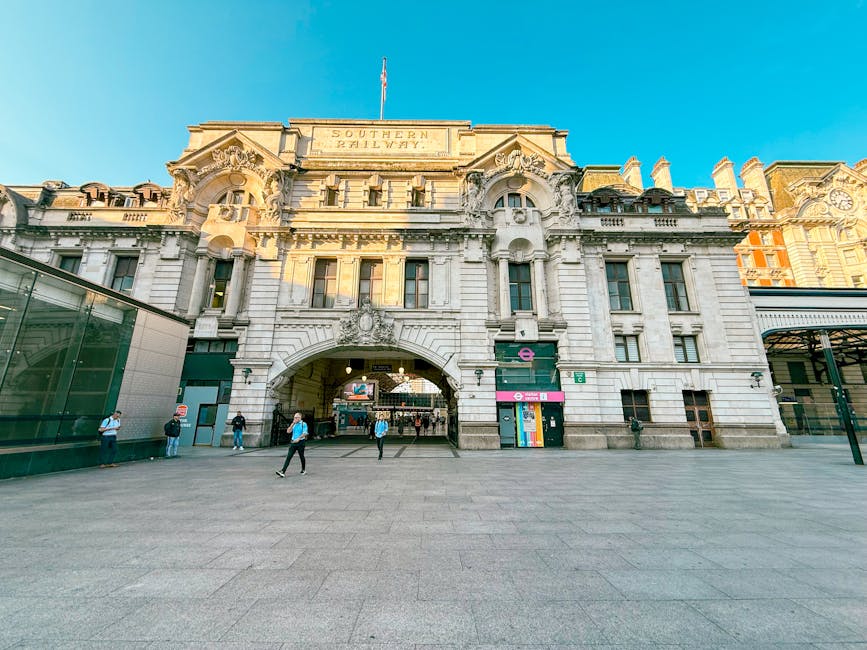
Victoria Station area carpet and upholstery cleaning Belgravia: a practical guide to cleaner carpets, fresher upholstery, and better results
If you are looking into Victoria Station area carpet and upholstery cleaning Belgravia, you are probably dealing with one of three things: a stubborn stain, everyday wear that has started to show, or the simple fact that your carpets and furniture no longer feel as fresh as they should. Fair enough. In a busy part of central London, surfaces pick up dust, foot traffic, food marks, city grime, and the odd surprise spill rather quickly. This guide walks you through what professional cleaning involves, what results to expect, how to avoid common mistakes, and how to choose the right approach for your home or business.
It is written for real-life situations, not showroom conditions. You will find clear explanations, sensible comparisons, and a few practical tips that can save you time, money, and a bit of frustration too.
Why Victoria Station area carpet and upholstery cleaning Belgravia matters
Victoria and Belgravia sit in a part of London where properties often see a lot of movement. People come and go, tenants change, guests arrive, delivery traffic increases, and carpets quietly absorb the evidence of all that activity. Upholstered sofas, dining chairs, office seating, and headboards can hold onto dust, skin oils, pet odours, and fine particles you do not always see until the light hits just right. Then suddenly, there it is.
Professional cleaning matters because carpet and fabric care is not just about appearance. It also affects comfort, fabric life, indoor freshness, and the way a room feels when you walk in. A flat, tired carpet can make an otherwise tidy space look older than it is. Likewise, a sofa with darkened armrests or a faint odour can make a room feel less inviting even after a full house clean.
In a local area like Belgravia, presentation matters for homeowners, landlords, letting agents, short-let hosts, offices, and managed buildings. A well-kept interior supports first impressions, and first impressions are awkward to undo. To be fair, nobody wants to explain a tea stain to a guest before they have even sat down.
There is also a practical side. Dirt particles act a bit like sandpaper over time, especially under foot traffic. That means regular care can help delay visible wear. Not magic, just sensible upkeep. For many properties, the right approach is a mix of routine maintenance and occasional deep cleaning through services such as carpet cleaning and upholstery cleaning.
How Victoria Station area carpet and upholstery cleaning Belgravia works
The process usually begins with inspection. A good cleaner will identify fibre type, fabric construction, stains, wear patterns, and any delicate areas that need a softer touch. This matters more than people think. Wool, synthetic blends, velvet, linen-look fabrics, and commercial-grade textiles all behave differently. One method does not fit everything, and that is where rushed cleaning often goes wrong.
For carpets, the work commonly starts with dry soil removal. That means removing loose grit and dust before moisture is introduced. After that, the cleaner may pre-treat spots, loosen embedded dirt, and use a method suited to the pile and condition of the carpet. On many jobs, steam-based or hot-water extraction cleaning is used because it can reach deeper into the fibres. If you want a more specific breakdown of that approach, the page on steam carpet cleaning is a useful companion.
Upholstery cleaning is slightly more delicate. The cleaner usually tests a small hidden area first, then chooses a method that matches the fabric and construction. Cushions may be removed, seams checked, and staining treated separately. Some items need light moisture and controlled agitation; others respond better to low-moisture or specialist spot treatment. Sofas are a classic example. The same sofa may have dry dust on the back, drink marks on the arm, and wear that requires extra care on the seat cushions. It sounds fiddly because it is.
Drying is part of the process too. You should expect furniture and carpets to need some time before they are fully dry, although the exact period depends on airflow, fabric, weather, and the cleaning method used. A cleaner who explains drying honestly is usually worth listening to. If someone promises instant dry results for every fabric, raise an eyebrow.
Key benefits and practical advantages
There are several real-world benefits to scheduled cleaning, and not all of them are cosmetic.
- Cleaner appearance: brightens floors and seating, which helps rooms feel more open and cared for.
- Better indoor freshness: removes the stale, trapped smell that can build up in soft furnishings.
- Stain management: increases the chances of lifting marks before they set permanently.
- Fabric preservation: helps reduce the wear caused by embedded grit and daily use.
- Support for landlords and hosts: useful before new occupiers arrive or between bookings.
- Comfort: makes living and working spaces feel more pleasant underfoot and at seating level.
Another benefit that people sometimes overlook is morale. A cleaner room genuinely changes how a space feels. There is a small but noticeable lift when a lounge no longer looks tired around the edges. Same with an office waiting area or communal seating space. You can almost hear the room exhale.
If you need a broader property refresh, soft furnishing care often works well alongside other services such as deep cleaning, one-off cleaning, or, for short-let properties, Airbnb cleaning. The trick is choosing the right combination rather than overbuying services you do not need.
Who this is for and when it makes sense
Victoria Station area carpet and upholstery cleaning Belgravia makes sense for a wide range of people, but the reasons vary.
Homeowners often want to revive living rooms, stair carpets, dining chairs, or a favourite sofa that has taken on everyday life. If you have children, pets, or both, the need usually arrives sooner than expected. A small spill on Monday can become a permanent memory by Friday if nobody deals with it properly.
Tenants may need carpets and furniture cleaned before moving out, especially if there are marks, general dulling, or pet-related smells. That is where services like end of tenancy cleaning and move out cleaning often overlap with floor and furniture care.
Landlords and letting agents use cleaning to protect presentation between occupancies. In central London, speed matters, but so does consistency. A property that looks and smells clean photographs better and tends to feel more ready for viewings.
Offices and commercial spaces benefit from regular attention to chairs, lobby seating, and reception areas. Soft furnishings in offices can quietly accumulate dust and body oils long before they look dirty. For those settings, office cleaning or commercial cleaning may be the right umbrella service, with upholstery care included where needed.
Communal buildings and managed properties may need a coordinated approach that includes shared carpeted areas and upholstered seating. The link between appearance and occupant confidence is real, even if nobody says it out loud.
Step-by-step guidance
If you are planning a clean, here is the straightforward version of how to prepare and what usually happens on the day.
- Identify the problem areas. Note stains, odours, high-traffic zones, pet incidents, and any delicate fabrics. It helps to be specific.
- Check the fibre type if you can. If labels or manufacturer guidance are available, keep them handy. Even a quick photo of the tag helps.
- Move small items out of the way. Lamps, ornaments, and loose clutter slow the job down and can get in the way.
- Vacuum first. Removing loose dirt improves the final result and prevents mud from being worked deeper into the fibres.
- Discuss stains honestly. Fresh tea is not the same as old coffee, and ink is not the same as wine. Sounds obvious, but it matters.
- Choose the right method. For many carpets, a hot-water or steam-based approach is effective. For some upholstery, a gentler process is safer.
- Allow proper drying time. Open windows if possible, increase airflow, and avoid rushing furniture back into place too soon.
- Inspect the result. Look at corners, armrests, beneath cushions, and around the heaviest-use zones.
A useful rule of thumb: if the cleaner has not asked about fabric type, stains, access, or drying, that is not a great sign. Good questions usually mean better outcomes. A silent nod and a spray bottle do not automatically equal expertise.
Expert tips for better results
Here are the habits that tend to make the biggest difference in practice.
Act quickly on spills. Blot, do not rub. Rubbing pushes the stain further into the fibre and can distort the pile. Use a clean, white cloth if you have one. The white cloth rule sounds fussy, but there is a reason professionals stick to it.
Test cleaning products carefully. Even a mild-looking solution can mark delicate fabric. If you are unsure, leave spot treatment to a specialist.
Do not soak upholstery. Over-wetting can leave rings, extend drying time, and sometimes create a musty smell. Less water, applied properly, is often better than more water applied enthusiastically and with hope.
Manage expectations on old stains. Some marks improve dramatically, some lighten, and some remain visible. Age, fibre type, previous DIY attempts, and heat exposure all affect the outcome.
Use airflow. After cleaning, open windows where possible and keep the room ventilated. A fan can help too. Drying is part of the cleaning, not an afterthought.
Book maintenance before the situation becomes urgent. Regular attention usually costs less than waiting until everything looks tired. If you are managing a property with repeated use, pairing cleaning with regular cleaning can be a smarter long-term option.
Common mistakes to avoid
Most disappointing results come from a few avoidable errors.
- Using too much detergent: residue attracts dirt and can leave fabrics looking dull again quickly.
- Scrubbing stains aggressively: this can damage the fibres and spread the mark.
- Cleaning the wrong way for the fabric: a method that suits a synthetic carpet may not suit a wool sofa.
- Ignoring odours: surface freshness is one thing; trapped smell in padding is another.
- Forgetting about hidden zones: under cushions, along skirting edges, and under furniture are often the dirtiest spots.
- Using the room too soon: walking on damp carpet too early can flatten the pile again and leave marks.
One especially common mistake is assuming a quick DIY wipe is enough for pet accidents. Sometimes it is not even close. If you are dealing with lingering smells or repeat accidents, a specialist pet treatment such as pet stain odour removal can be a better route than trying to mask the problem with fragrance sprays. Those sprays are sneaky little things. They can make a room smell cleaner while doing almost nothing underneath.
Tools, resources and recommendations
When people ask what makes a proper clean work, the answer is usually a mix of equipment, technique, and judgment.
For carpets, useful tools often include strong vacuuming equipment, pre-sprays tailored to the soil level, agitation tools, extraction machines, and spot treatments for specific marks. For upholstery, the toolkit may include textile-safe cleaning agents, controlled moisture application, detail brushes, and absorbent cloths. The point is not to use everything. The point is to use the right thing in the right order.
If you are comparing service options, these pages can help you think through the wider picture:
- sofa cleaning for seating that needs careful fabric treatment
- rug cleaning for loose floor coverings that need gentler handling
- stain removal for targeted marks that need a specialist approach
- mattress cleaning if you are refreshing bedroom fabrics as part of a broader clean
For customers deciding whether to proceed, the other practical consideration is trust. It helps to look for clear communication around method, drying time, access needs, safety, and pricing. The cleaner should be able to explain what they will do without sounding rehearsed. If the explanation sounds too glossy, ask another question. Honest answers tend to be simple.
Law, compliance, standards, or best practice
For this type of work, the safest way to think about compliance is through best practice rather than dramatic claims. In the UK, professional cleaning should be carried out with attention to safety, sensible chemical use, risk awareness, and the protection of occupants, surfaces, and nearby belongings. That is especially true in occupied homes, shared buildings, offices, and properties with children or pets.
Reputable providers usually have clear procedures for health and safety, insurance, payment security, and handling complaints or concerns. If you are comparing companies, those details matter because they show how the business operates when things are normal and when they are not. It is easy to be cheerful on a good day. Systems matter when a stain proves stubborn or access turns out to be trickier than expected.
Two other points are worth mentioning. First, a cleaner should not use a method that leaves a surface excessively wet or creates avoidable slip risks. Second, products should be used in a way that respects the material being cleaned. That sounds basic, but basic is often where quality lives. For peace of mind, you can also review pages like health and safety policy, insurance and safety, payment and security, and terms and conditions.
Options, methods, or comparison table
Not every carpet or sofa needs the same treatment. Here is a simple comparison to help you think about the main options.
| Method | Best for | Strengths | Watch-outs |
|---|---|---|---|
| Hot-water extraction / steam-style cleaning | Many carpets and some sturdy textiles | Deep cleaning, soil removal, strong refresh | Needs drying time; not ideal for every delicate fabric |
| Low-moisture upholstery cleaning | Delicate chairs, sofas, and some commercial seating | Faster drying, gentler on sensitive fabrics | May be less aggressive on older deep-set marks |
| Spot treatment only | Small isolated stains | Quick, targeted, low disruption | Not a full clean; can leave surrounding dullness |
| Combined deep clean | Rooms with mixed carpet and upholstery needs | More complete finish, better for move-outs and refurbishments | Usually takes longer and needs more planning |
If you are unsure which route is right, start with the fabric, not the stain. That one habit avoids a lot of grief. In mixed-use homes and business spaces, a combination of methods is often the best answer rather than a single big fix.
Case study or real-world example
Here is a realistic example. A small Belgravia flat near the Victoria Station area had a pale lounge carpet, a textured sofa, and two dining chairs that had each picked up different kinds of marks over time. The carpet looked generally dull rather than visibly dirty, which is often the hardest kind of cleaning problem because people stop noticing it until the room has lost brightness. The sofa had light drink marks on one arm and flattened seating areas. Nothing dramatic. Just enough to make the room feel a bit worn.
The approach was straightforward: dry vacuuming, targeted pre-treatment on the carpet traffic lane, careful stain spotting, and separate upholstery treatment for the sofa and chairs. The client was advised to keep windows open for airflow and to leave cushions in a ventilated position rather than pushing everything back into place immediately. By the next day, the room felt more open and lighter. Not brand new, of course. That would be silly. But noticeably fresher, and in a way that mattered.
The main lesson from that sort of job is that small improvements add up. A lifted carpet pile, a cleaner sofa arm, and a fresher smell can change the whole room. That is the real value, not some fantasy of perfection.
Practical checklist
Use this checklist before booking or carrying out the work.
- Identify all carpets, rugs, sofas, chairs, and upholstered items that need attention.
- Note any stains, odours, pet incidents, or spill history.
- Check whether the fabric is wool, synthetic, blended, or delicate.
- Move fragile items and clear access where possible.
- Ask about drying time and ventilation.
- Confirm whether spot treatment, deep cleaning, or a combined service is needed.
- Discuss access constraints, parking, building rules, or time windows if relevant.
- Keep pets and children away from treated areas until safe and dry.
- Review aftercare advice and follow it closely.
- Schedule routine maintenance rather than waiting for the next emergency spill.
If you are also thinking about property turnover, a broader plan might include move in cleaning or one-off cleaning. That is often the sensible route for landlords, hosts, and busy households with very little spare time. Because let's face it, no one wants to spend Saturday afternoon on drying cushions.
Get a free quote today and see how much you can save.
Conclusion
Victoria Station area carpet and upholstery cleaning Belgravia is not just a cosmetic service. It is a practical way to protect fabrics, improve comfort, refresh presentation, and deal with the everyday reality of busy London living. Whether you are caring for a home, preparing a rental, or keeping a commercial space looking sharp, the right cleaning approach makes a visible difference.
The best results come from matching the method to the material, acting early on stains, and giving the drying process enough respect. Not glamorous, but true. If you take one thing from this guide, let it be this: thoughtful cleaning beats rushed cleaning nearly every time. And the room will thank you for it.
Frequently Asked Questions
How often should carpet and upholstery be cleaned in the Victoria Station area?
It depends on use. Busy homes, pet households, and commercial spaces often need cleaning more often than quieter properties. For a low-traffic flat, occasional deep cleaning may be enough, but visible soil or odour is usually the signal to book sooner rather than later.
Is steam cleaning safe for all carpets?
No, not for all carpets. Steam-style cleaning is effective for many fibres, but delicate materials or certain finishes may need a gentler method. A proper inspection should happen first so the cleaner can choose the safest approach.
Can upholstery be cleaned without soaking the fabric?
Yes. Many upholstery cleaning methods use controlled moisture rather than heavy wetting. That helps protect the fabric and shortens drying time. Sofas and chairs often respond well to this when the process is handled carefully.
What should I do before a carpet or sofa cleaner arrives?
Vacuum if you can, remove clutter, clear access, and point out stains or problem areas. If the cleaner knows where the issues are, they can focus on the right spots instead of guessing. A little preparation goes a long way.
Will old stains come out completely?
Not always. Some old stains improve a lot, some lighten, and some remain partially visible. Age, fibre type, previous DIY treatment, and heat exposure all affect the final result. Honest expectations are better than false promises every time.
How long does drying usually take?
Drying time varies based on room temperature, ventilation, fabric type, cleaning method, and how heavily the item was soiled. Airflow helps a great deal. Opening windows and keeping the room ventilated is usually a smart move.
Is carpet and upholstery cleaning worth it for rented properties?
Usually yes, especially between tenancies or after a long occupancy. Clean carpets and furniture improve presentation and can help a property feel more ready for new occupants. It is one of those details people notice immediately, even if they do not say so.
Can pet smells be removed from sofas and carpets?
Often, yes, but it depends on how deep the odour has travelled. Surface cleaning may help, while stronger cases may need targeted treatment. If the smell has soaked into underlay or padding, a more specialist approach is usually needed.
What is the difference between carpet cleaning and upholstery cleaning?
Carpet cleaning is designed for floor coverings, usually with stronger soil removal and methods that suit pile and underlay. Upholstery cleaning is more delicate because it must account for fabric type, seams, padding, and drying risk. Similar principles, very different handling.
Are there any safety checks I should ask about?
Yes. It is sensible to ask about insurance, health and safety procedures, product suitability, and aftercare guidance. Good providers should be comfortable explaining how they work and how they protect your property.
Can I combine carpet cleaning with other services?
Absolutely. Many customers combine floor and upholstery work with services like domestic cleaning, house cleaning, or commercial carpet cleaning depending on the property type. It can be a more efficient way to refresh the whole space.
How do I know if a sofa needs professional cleaning rather than DIY?
If the sofa has a strong smell, repeated stains, delicate fabric, or visible dullness across large areas, professional cleaning is usually the safer option. DIY works for small issues, but it is easy to over-wet or spread a stain by accident. A bit of caution saves trouble later.
If you would like to learn more about the service provider behind this topic, you can also explore about us and review the business's approach to recycling and sustainability. And if you are ready to move ahead, the next sensible step is simply to ask for a clear, tailored quote.