SW1X Carpet Cleaning and Stain Removal Belgravia: A Practical Guide for Clean, Fresh Floors
If you live or work in SW1X, you already know carpets in Belgravia tend to work hard in subtle ways. They catch the grit from the street, the odd coffee spill, muddy shoes after a wet afternoon, and all the little marks that build up quietly over time. SW1X carpet cleaning and stain removal Belgravia is not just about making a room look brighter for a day or two; it is about protecting your flooring, improving hygiene, and restoring that calm, polished feel that good interiors rely on.
Whether you are dealing with a fresh spill, a stubborn patch that has been bothering you for months, or a full deep refresh before guests, moving day, or a property handover, the right approach matters. Truth be told, carpet care is one of those jobs where rushing usually makes things worse. This guide breaks down what works, what to avoid, and how to judge the right service for your home or business.
Table of Contents
- Why SW1X carpet cleaning and stain removal Belgravia Matters
- How SW1X carpet cleaning and stain removal Belgravia Works
- Key Benefits and Practical Advantages
- Who This Is For and When It Makes Sense
- Step-by-Step Guidance
- Expert Tips for Better Results
- Common Mistakes to Avoid
- Tools, Resources and Recommendations
- Law, Compliance, Standards, or Best Practice
- Options, Methods, or Comparison Table
- Case Study or Real-World Example
- Practical Checklist
- Conclusion
- Frequently Asked Questions
Why SW1X carpet cleaning and stain removal Belgravia Matters
Belgravia properties often have a particular standard to maintain. Carpets are part of that presentation, but they also do a hidden job: they reduce noise, soften interiors, and make rooms feel warmer underfoot. When they are clean, the whole space feels more composed. When they are not, you notice straight away, even if you cannot quite say why.
In SW1X, carpet cleaning also matters because many homes and workplaces see a mix of foot traffic, pets, visitors, and seasonal dirt. A stain left too long can set into fibres, wick back up after a bad spot clean, or even spread if the wrong product is used. That is why stain removal should be treated as both a cleaning task and a risk-management task. One wrong move with bleach, hot water, or an unknown spray can lock the mark in for good.
There is also a practical side. Clean carpets can help extend the life of the pile, keep indoor dust levels more manageable, and reduce the need for premature replacement. That matters in a premium area where flooring is often a significant investment. Nobody wants to replace a good carpet because of a tea spill that should have been handled properly on day one.
For landlords, tenants, homeowners, and office managers alike, the point is simple: regular maintenance is cheaper and calmer than emergency rescue work. And yes, emergency rescue work is a thing with carpets. More than people think.
How SW1X carpet cleaning and stain removal Belgravia Works
Good carpet cleaning is usually a sequence, not a single action. The exact method depends on fibre type, backing, age, stain type, and the amount of soil in the carpet. A trained cleaner will normally inspect the area first, because the same stain can behave differently on wool, synthetic blends, or textured commercial carpet.
The first stage is identifying what you are dealing with. A red wine mark is not the same as a grease stain. A pet accident is not the same as outdoor mud. In a real home, stains are often mixed as well: coffee plus milk plus foot traffic, or wine plus candle wax plus repeated rubbing. That is where careful judgement counts.
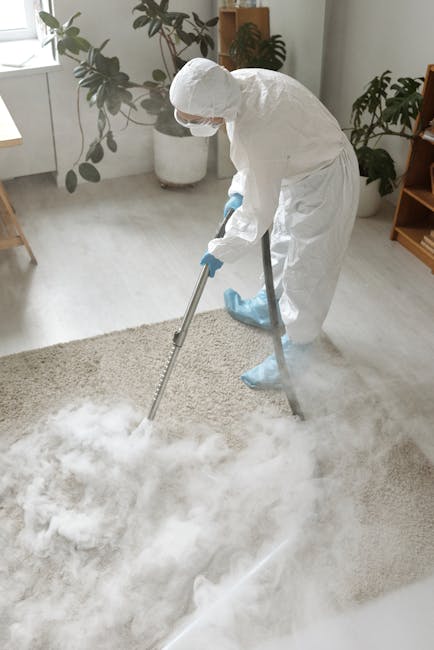
For many carpets, the process may include vacuuming, pre-treatment, agitation, controlled extraction, and targeted stain work. Some jobs benefit from steam carpet cleaning, while others need more careful spot treatment or a broader deep-cleaning approach. Stains on delicate fibres or valuable rugs may need gentler handling, which is why rug cleaning is often treated differently from standard wall-to-wall carpet care.
Stain removal itself is part chemistry, part patience. The cleaner needs to know what product will lift the stain without bleaching or browning the fibre. Sometimes the issue is not the visible mark but the residue left behind. If residue stays in the pile, it can attract more dirt and make the patch reappear.
That is also why pet-related incidents deserve special attention. A surface clean may remove the smell for a moment, but if the contamination reaches the underlay, the odour can return later. In those cases, a dedicated pet stain odour removal service can be far more effective than a quick home remedy.
Key Benefits and Practical Advantages
People often think of carpet cleaning as a cosmetic job. Fair enough, appearance is a big part of it. But the real benefits go a bit deeper.
- Better appearance: stains fade, colour looks more even, and the whole room feels fresher.
- Improved fabric care: removing grit and residue helps protect fibres from wear.
- More comfortable interiors: a clean carpet makes a room feel tidier and more pleasant to live in.
- Odour control: especially helpful after spills, pets, or damp weather.
- Better first impressions: useful before viewings, inspections, or client visits.
- Longer carpet life: regular care can delay expensive replacement.
There is a quieter benefit too: peace of mind. A stain on the carpet has a habit of nagging at you every time you walk past it. Once it is properly dealt with, that little mental friction disappears. Small thing, but it matters. You feel it.
For many households, a combined service can make sense. For example, if the carpet stain has spread into upholstery or a nearby chair, pairing carpet work with upholstery cleaning or even sofa cleaning gives a more consistent result across the room. It stops the space looking half refreshed and half tired, which is a common trap.
Who This Is For and When It Makes Sense
This service is relevant to a surprisingly broad group. In SW1X, that might include residents in period flats, landlords preparing a property, busy professionals who simply do not have the time, or businesses that want interiors to stay sharp without constant disruption.
You may need carpet cleaning and stain removal if:
- you have fresh spills that need fast treatment;
- you are seeing recurring marks from high traffic or entry areas;
- you are preparing for a sale, letting, inspection, or move;
- you have pets, children, or frequent visitors;
- your carpet smells stale even after vacuuming;
- you notice dullness, flattened patches, or visible tracked dirt.
It also makes sense after wider household or property work. Post-renovation dust, for instance, can settle into fibres and leave a carpet looking grey even if it was not visibly stained. If that is part of a broader refresh, a service like after-builders cleaning may be the better fit because it handles the mess as a system rather than a single room issue.
Commercial settings are a different beast. Office carpets, communal hallways, and reception areas collect dirt faster than people expect. For those spaces, commercial carpet cleaning or communal area cleaning is often more appropriate, especially where access timing and foot traffic need careful planning.
Let's face it, if the carpet is telling the story of every wet umbrella, muddy shoe, and spilled flat white since last winter, it is probably time.
Step-by-Step Guidance
If you want to handle a stain sensibly before a professional visit, or simply understand what a proper service should look like, this step-by-step guide will help.
- Identify the stain as best you can. Is it food, drink, oil, mud, pet-related, ink, or something unknown? If you do not know, say so. Guessing can waste time.
- Blot, don't rub. Use a clean white cloth or paper towel and lift the liquid gently. Rubbing tends to drive the stain deeper and rough up the fibres.
- Test any product first. Even mild cleaners can affect colour or texture. A small hidden patch is better than an obvious mistake.
- Use the right amount of moisture. Over-wetting is a classic problem. Carpets can hold moisture in the pile and underlay, which slows drying and may cause browning or odour.
- Work from the outside inward. This helps stop the stain spreading.
- Extract residue properly. Cleaning solution left behind can attract dirt again, which makes the stain return as a dull patch.
- Allow full drying. Keep air moving and avoid heavy foot traffic until the carpet is dry enough.
If the stain is old, large, or unknown, pause there and do not keep experimenting. That is usually the moment where a DIY attempt starts eating up the fabric. A professional approach is calmer and, frankly, less expensive than replacing a section because the colour has changed.
A good cleaner will also assess whether the carpet needs a broader treatment. For example, one isolated stain may sit inside a generally clean carpet, or it may be a sign that the whole area needs a carpet cleaning visit rather than spot work alone.
Expert Tips for Better Results
Here is the part people often miss: better results usually come from better timing and restraint, not stronger chemicals.
Act quickly, but not carelessly. A fresh spill is easier to manage than a set stain. Still, rushing to pour on every household product under the sink can make things worse. Blot first, identify second, treat third.
Know your fibre. Wool carpets need more caution than many synthetic options. That does not mean they are fragile. It means they respond best to the right pH, temperature, and moisture levels. If you are unsure, treat the carpet as if it is sensitive until proven otherwise.
Use vacuuming as stain prevention. Dry soil is abrasive. Regular vacuuming removes the grit that can turn a small stain into a worn-looking patch over time. It is not glamorous, but it works.
Think about the whole room. If a carpet stain is near curtains, sofas, or mattresses, odour and dust can spread the impression of "dirt" even after the main stain is removed. That is why services like curtain cleaning and mattress cleaning can be useful in a full refresh.
Ask about drying expectations. A properly cleaned carpet should not stay damp for ages. If a service does not mention ventilation or drying time, that is a small warning sign, to be fair.
Use regular maintenance between professional cleans. Spot treatment is only one part of the picture. Homes that combine occasional deep cleans with lighter upkeep usually get longer-lasting results. If you want a recurring plan, regular cleaning can support the overall standard of the property.
And one more thing: if a stain looks "gone" but leaves a faint ring, do not assume the job is done. Invisible residue can reappear later once the area dries. That's a classic carpet trick, annoyingly enough.
Common Mistakes to Avoid
Some carpet problems come from the stain itself. Others come from the cure. Here are the mistakes we see most often.
- Scrubbing hard: this damages fibres and spreads the stain.
- Using too much water: it can soak through to the backing and underlay.
- Mixing products: unsafe and unpredictable, especially with ammonia, bleach, or strong detergents.
- Ignoring the source of odour: a surface clean may hide pet contamination but not remove it.
- Leaving residue behind: residue attracts dirt, so the stain seems to come back.
- Choosing the wrong method for delicate fibres: some materials need gentler treatment.
- Waiting too long: the longer a stain sits, the more chance it has to bond with the fibre.
The biggest mistake? Treating every stain as if it is the same. It is not. Coffee on synthetic carpet, red wine on wool, and mud on a hallway runner need different handling. That is the bit that sounds obvious once you say it out loud, yet people still get caught by it all the time.
Tools, Resources and Recommendations
You do not need a cupboard full of specialist gear to handle everyday carpet care. In most homes, the essentials are fairly modest.
- a vacuum cleaner with decent suction;
- clean white cloths or paper towels;
- a soft brush for light agitation;
- plain cool or lukewarm water;
- a fibre-safe spot cleaner chosen carefully for the carpet type;
- a fan or good ventilation to support drying.
For more demanding stains, professional equipment does the heavier lifting. Hot water extraction, controlled steam methods, and specialist stain treatments are much more effective when they are used by someone who understands the carpet's structure. If you are comparing services, it is sensible to ask what method they will use and whether it suits wool, synthetic, or blended fibre.
For businesses, combining carpet care with office cleaning or broader commercial cleaning can reduce disruption and keep standards consistent. For homes, domestic cleaning or house cleaning may be a sensible companion service if the issue is part of a general build-up rather than one isolated stain.
If you are at the planning stage, it is worth checking pricing and quotes so you know how the service is structured. Clear pricing makes decisions much easier. Nobody enjoys the surprise-add-on game.
Law, Compliance, Standards, or Best Practice
For carpet cleaning, the most relevant guidance is often about safety, care, and honesty rather than dramatic legal rules. In the UK, good practice means using products and methods responsibly, following label instructions, and avoiding unsafe mixing or overuse of chemicals. If work is being carried out in a shared building or workplace, cleaners should also be careful about access, signage, and any slip risk from wet floors.
If you are hiring someone, it is sensible to ask about insurance, equipment handling, and how they manage health and safety. That is not overcautious; it is normal. A reputable provider should be able to explain how they reduce risk and protect the property. You can also look at insurance and safety information and the company's health and safety policy if you want reassurance before booking.
For properties with special requirements, the best practice is to disclose them early. That includes underfloor heating, fragile trims, previous repairs, known dye bleed, or pet contamination. Hiding details usually leads to weaker results, and sometimes accidental damage. It is better to be a little awkward upfront than regretful later.
Sustainability also matters more than many people expect. Reusable methods, controlled water use, and proper waste handling all help reduce the environmental footprint of a clean. If that side matters to you, the company's recycling and sustainability information is worth a look.
Options, Methods, or Comparison Table
Not every carpet or stain needs the same treatment. This simple comparison can help you choose more realistically.
| Method | Best for | Strengths | Things to watch |
|---|---|---|---|
| Spot stain treatment | Small fresh stains or isolated marks | Fast, targeted, minimal disruption | Not ideal for deep or widespread soiling |
| Steam carpet cleaning | General dirt, traffic marks, embedded residue | Deep cleaning power, good for overall refresh | Drying time matters; not every fibre suits the same process |
| Deep cleaning | Heavily used rooms, neglected carpets, move-out cleans | More thorough restoration | Can take longer and may need extra drying support |
| Rug-specific cleaning | Area rugs and delicate pieces | More careful handling, tailored treatment | Not the same as wall-to-wall carpet cleaning |
| Pet stain odour removal | Accidents with smell or recurring contamination | Targets both stain and odour sources | May need more than one stage if the issue is deep-set |
There is no perfect method for every case. That is the honest answer. The right one depends on the carpet, the stain, and what result you actually need. Sometimes the smartest move is not the strongest treatment, but the one least likely to create a new problem.
Case Study or Real-World Example
Here is a typical Belgravia-style scenario. A homeowner notices a coffee spill in a light-coloured living room carpet near a bay window. The stain is a few days old, the area has been lightly brushed twice, and now there is a faint ring around the original mark. There is also a second problem: the room smells a bit stale because the windows have been closed during a wet week.
In a case like this, a careful cleaner would first assess the fibre and test the stain response. They would not jump straight into heavy water or strong detergent. The spot would be pre-treated, treated again only where needed, and then extracted properly to avoid leaving residue behind. The larger room might also benefit from a broader carpet refresh because the issue is no longer just the coffee mark; it is the overall look and feel of the room.
Now imagine the same space with a wool rug beside the sofa and a pet bed in the corner. That changes things. The rug may need separate handling, and the pet area might call for a more targeted pet stain odour removal approach. That is exactly why experienced cleaners ask questions before they start. The extra minute up front saves a lot of trouble later.
A similar pattern shows up in office settings too. A hallway carpet may look fine until you see the traffic lane in daylight. Once that line appears, a simple vacuum is not going to fix it. The sensible response is a proper clean, often alongside office cleaning or commercial carpet cleaning if the whole floor needs a reset.
Practical Checklist
Use this before you book or attempt a stain clean yourself.
- Identify the stain type if possible.
- Check whether the carpet is wool, synthetic, or blended.
- Blot the stain gently rather than rubbing.
- Avoid soaking the carpet.
- Test any cleaner in an inconspicuous spot.
- Think about odour as well as visible marks.
- Consider whether nearby fabrics also need attention.
- Ask what cleaning method will be used.
- Ask about drying time and aftercare.
- Compare the value of a full clean versus repeated spot treatments.
If you are preparing a move, inspection, or handover, it may also make sense to combine carpet work with end of tenancy cleaning or move out cleaning. That gives you a better chance of leaving the property looking properly cared for, not just "good enough on paper."
Get a free quote today and see how much you can save.
Conclusion
SW1X carpet cleaning and stain removal Belgravia is really about keeping your space presentable, comfortable, and well cared for without making unnecessary mistakes along the way. The best results come from matching the method to the carpet, dealing with stains early, and treating odour, residue, and drying time as part of the job, not afterthoughts.
If you remember only one thing, let it be this: the gentlest effective approach is often the smartest one. Clean well, dry properly, and do not overcomplicate a stain just because it looks dramatic on the surface. Carpets have a way of rewarding patience.
And when a room smells fresher, feels softer underfoot, and simply looks more like itself again, you notice it immediately. That quiet little improvement can change the whole mood of a home. Funny how that works.
Frequently Asked Questions
What does SW1X carpet cleaning and stain removal Belgravia usually include?
It usually includes inspection, pre-treatment, cleaning, stain-specific treatment where needed, extraction, and drying guidance. The exact process depends on the carpet fibre and the kind of stain involved.
Can every carpet stain be removed completely?
Not always. Some stains permanently alter the fibre or dye, especially if they have sat for a long time or been treated badly at home. A good cleaner can still often improve the appearance significantly, though.
Is steam carpet cleaning safe for wool carpets?
It can be, but only when the method, temperature, and moisture levels suit the fibre. Wool needs more care than many synthetics, so it is worth confirming the plan before any work starts.
What should I do before a cleaner arrives?
Vacuum lightly if appropriate, move small items off the floor, point out problem areas, and mention any previous products used on stains. The more honest the brief, the better the result tends to be.
How long does a carpet take to dry after cleaning?
Drying time varies with the method used, airflow, room temperature, and carpet thickness. A professional cleaner should be able to give you a realistic expectation rather than a vague guess.
Why does a stain sometimes come back after cleaning?
This usually happens because residue remains in the carpet or moisture pulls hidden soil back to the surface as the carpet dries. It can also happen if the wrong treatment was used for the stain type.
Do pet stains need different treatment from food or drink stains?
Yes. Pet accidents can affect the carpet backing and underlay, not just the visible surface. Odour removal often needs a more targeted approach than standard spot cleaning.
Is it worth booking a full carpet clean for one stain?
If the stain is isolated and fresh, spot treatment may be enough. If the surrounding carpet is dull, trafficked, or generally tired, a full clean often gives better value and a more even finish.
Can carpet cleaning help with odours?
Yes, especially if the odour is coming from embedded dirt, spills, or pet contamination. If the smell is deep-set, though, a dedicated treatment may be needed rather than a standard clean alone.
What if I am moving out and need the carpet to look presentable quickly?
Then it usually makes sense to combine carpet treatment with a broader property clean. Services like move out cleaning or end of tenancy cleaning can help the whole place feel ready, not just one room.
How do I choose between spot cleaning and deep cleaning?
Choose spot cleaning for a small fresh mark, and deep cleaning when the carpet has widespread dirt, repeated traffic lines, lingering odour, or several stains. If you are unsure, a proper inspection is the safest starting point.
Should I ask about insurance and safety before booking?
Yes, absolutely. It is sensible to ask how the company handles safety, cleaning products, and property protection. Good providers should be comfortable talking you through their approach in plain English.